
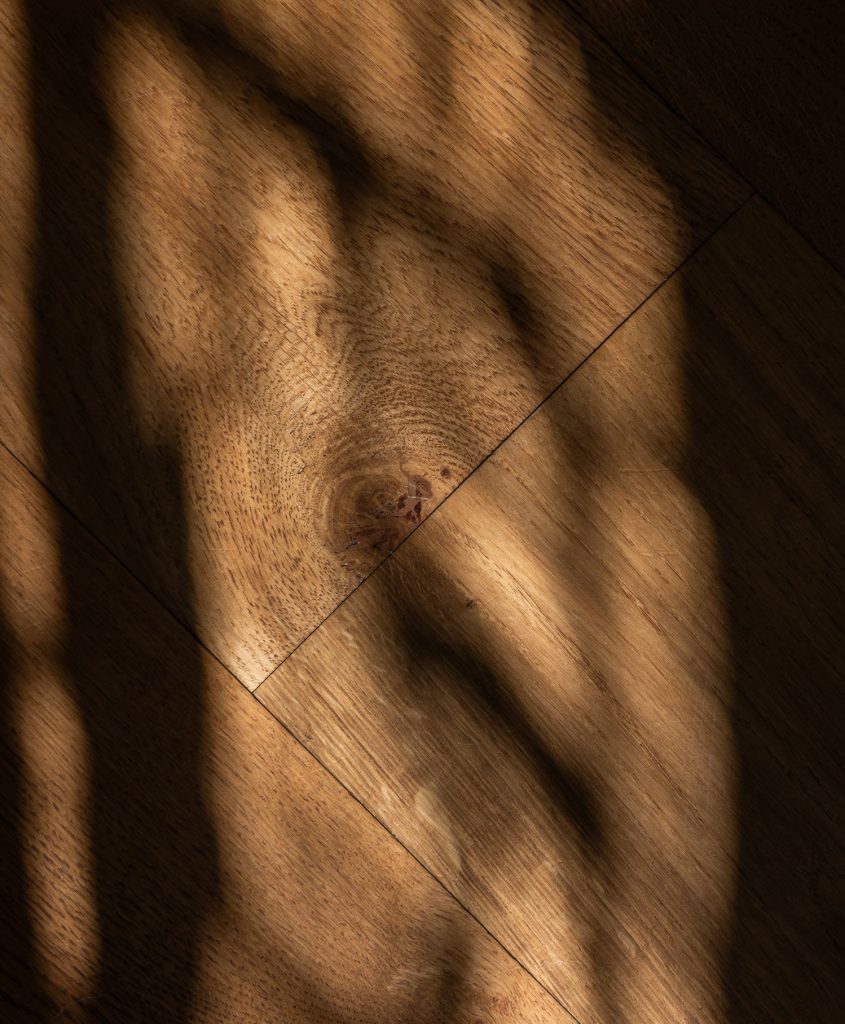
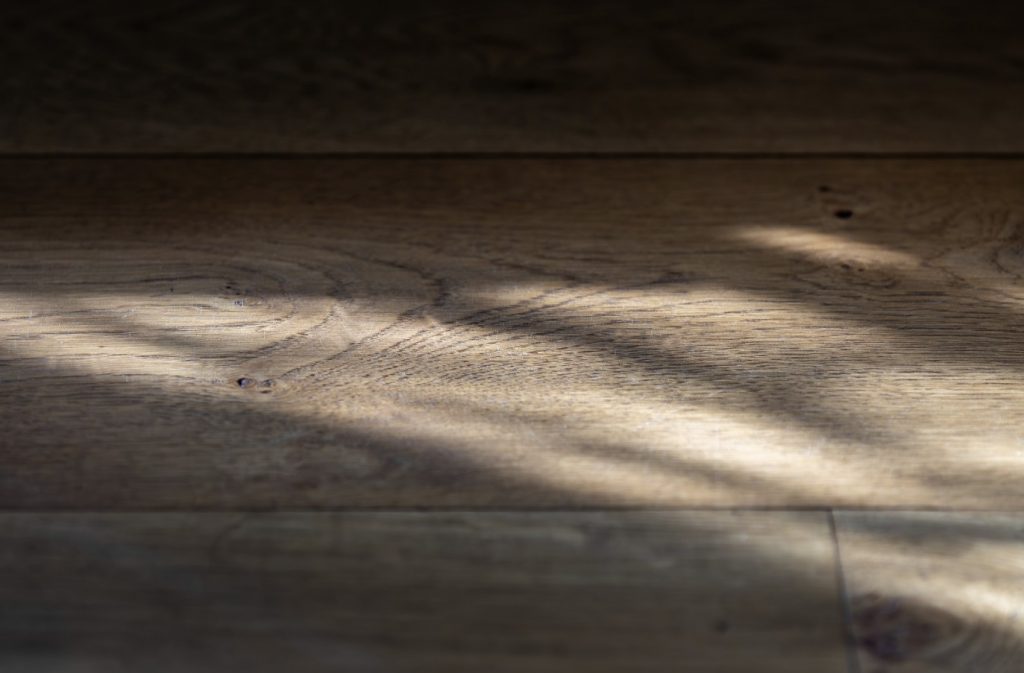
Only solid hardwood flooring crafted from characterful traditional native species such as oak, ash or sycamore can provide such warmth and richness to the touch while bringing a timeless appeal that lasts for generations.
The subtle knots in the grain and discreet variations in colour emphasise the personality of each unique timber, enhancing the style of your space.
For ease, all of our flooring is produced to industry-standard sizes as well as tongue and groove construction.
Solid British & European oak hardwood flooring
Feature and details:
Species: British oak (Quercus robur / petraea)
Source: Responsibly sourced from managed woodlands in Britain
Format: Traditional mixed width (supplied in equal areas of three widths)
Thickness: 20mm
Profile: Tongue & groove (long edges); square ends; reversible faces
Surface: Planed and unfinished (no coating)
Moisture Content: 11 – 13% (kiln dried)
Edge: Detail Sharp corners (non-bevelled)
Character: 85/ 100 /125 /140/ 150/ 175/ 200/ 215mm (1–3m lengths)
1. Pre-installation & acclimatisation
Solid oak is considered a living material as it continues to interact with the environment. To prevent excessive movement, boards must be allowed to acclimatise in the room of installation for three to five weeks. Store the timber flat in a dry, internal environment with stable humidity.
2. Subfloor requirements
3. Fixing methods
Board Width | Hidden Nail | Glue | Cut Nails | Screws |
Up to 100mm | Yes | Yes | No | No |
100mm – 140mm | Yes | Yes | No | Yes |
150mm – 300mm | Yes | No | Yes | Yes |
Note: We do not recommend "floating" installations for solid oak
4. Sanding & finishing
As boards are supplied unfinished, they must be sanded and coated on-site after fixing. This allows you to customise the look using natural oils, hard wax, or lacquer. This process enhances the grain and protects the timber.
5. Maintenance
